
International Initiative Led by BIU Harnesses Art to Help Save the World's Coral Reefs
Scientists Say Data Alone Isn't Enough to Save the Reefs

Image credit: Lament W Putad
Coral reefs are disappearing at an alarming rate.
As oceans warm and human activity continues to damage marine ecosystems, coral bleaching events are becoming more frequent, leaving reefs struggling to recover. For hundreds of millions of people around the world, the loss of coral reefs threatens food security, coastal protection, biodiversity, and local livelihoods.
Scientists have spent decades studying the crisis. Now, an international team argues that solving it will require more than science alone.
A New Perspective Published in Science Advances
In a new article published in Science Advances, researchers from Bar-Ilan University and international collaborators call for a new approach to coral conservation, one that combines science, art, design, education, and public engagement to inspire global action.
The article was co-authored by Prof. Oren Levy of Bar-Ilan University's Mina & Everard Goodman Faculty of Life Sciences, together with Mónica Medina, Or Ben-Zvi, and members of the Coral Art-Science Consortium.
The authors argue that while scientific research explains what is happening to coral reefs, art has the unique ability to help people care about it.
Image credit: Courtney Mattison
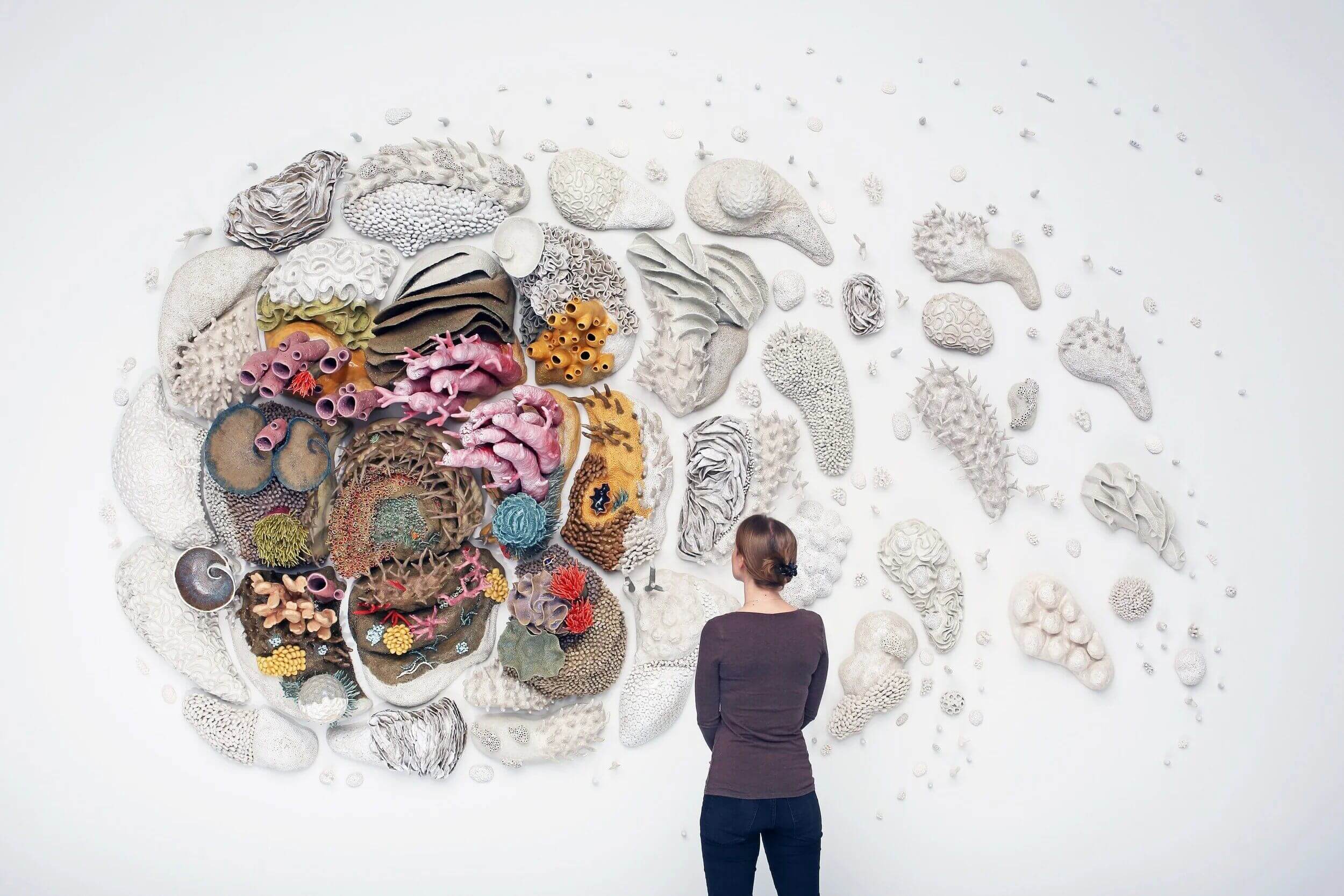
Turning an Invisible Crisis into a Personal Story
For many people, coral reefs exist only in documentaries or vacation photos. Their decline often feels distant, despite its global consequences.
Art can bridge that gap.
Whether through sculpture, photography, fashion, music, architecture, film, digital media, or immersive exhibitions, creative works can transform complex scientific findings into experiences that are emotional, memorable, and accessible.
The authors point to projects such as Chasing Coral, UNESCO's Art for Climate Action initiative, and public climate installations that have successfully brought environmental issues into everyday conversation.
By making reefs visible beyond the ocean, they argue, art can motivate people to support conservation efforts and influence public policy.
Image credit: Juli Berwald
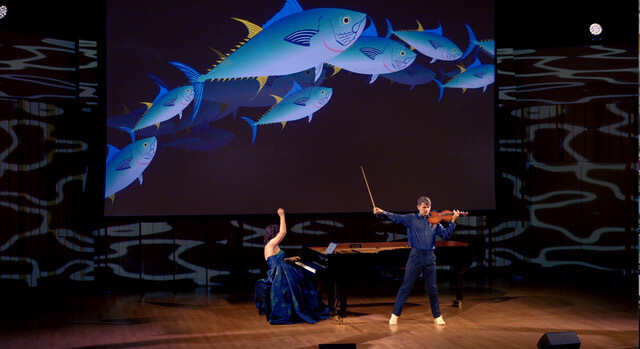
A Global Collaboration Between Scientists and Artists
At the heart of the initiative is the Coral Art-Science Consortium, a new international nonprofit bringing together scientists, artists, designers, educators, and conservation leaders from around the world.
The consortium aims to develop creative collaborations that raise awareness of coral reef conservation through exhibitions, films, photography, sculpture, textiles, public events, educational programs, and digital experiences.
Its broader goal is to transform isolated conservation projects into a coordinated global movement that connects scientific knowledge with public engagement.
Why Local Communities Must Be Part of the Solution
The authors emphasize that protecting coral reefs cannot happen without the communities that depend on them.
Indigenous and coastal communities possess generations of ecological knowledge and maintain deep cultural connections to reefs. Rather than treating these communities as audiences, conservation initiatives should involve them as partners and co-creators from the very beginning.
This collaborative approach, the researchers argue, leads to more equitable, effective, and lasting conservation efforts.
Image credit: Evelin Kolijn
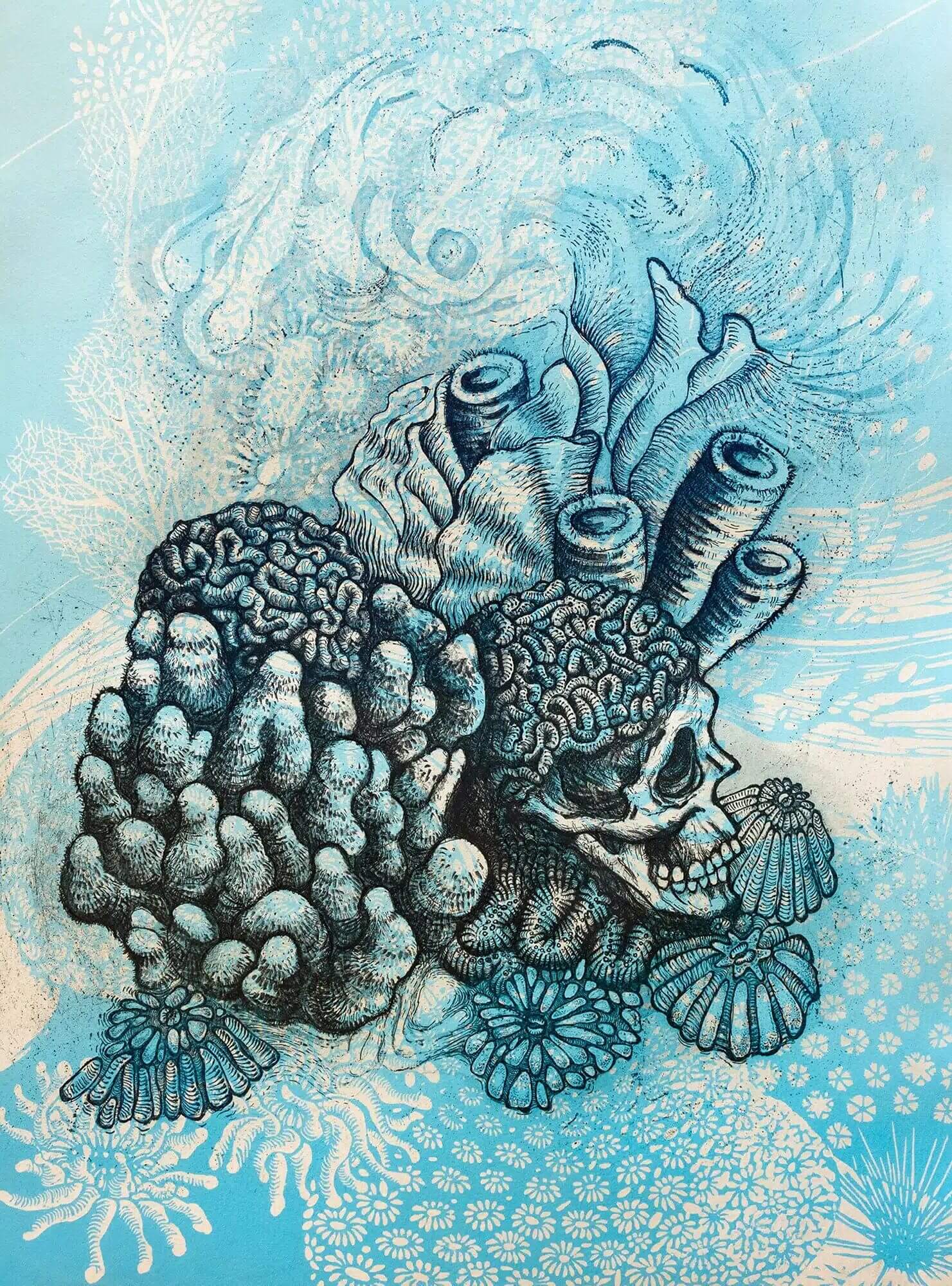
Science and Art Can Achieve More Together
Scientific research provides the evidence needed to understand and protect coral reefs. Art helps transform that knowledge into stories that people remember, share, and act upon.
Together, the authors believe, they can create a powerful movement capable of changing not only public awareness, but also public policy and global conservation efforts.
"Reefs are more than ecosystems," the researchers write. "They are living works of art shaped over millions of years."
Protecting them, they conclude, will require every tool available, including scientific discovery, creative expression, and the collective imagination of people around the world.